
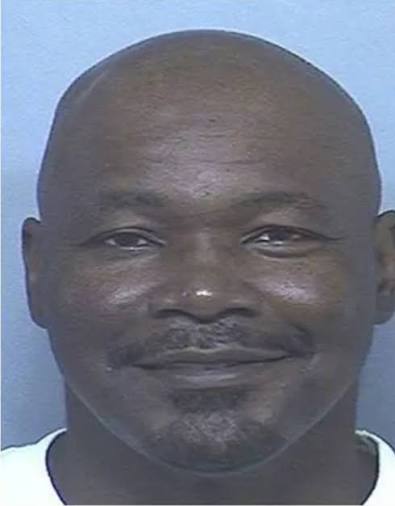
LOS ANGELES, Calif., March 20, 2026. A judge told Darryl Lamar Collins he would be locked up for the rest of his life for murdering his girlfriend, Fatima Johnson, a killing that came 364 days after a state parole board freed him from two earlier murder convictions over the objections of prosecutors. Collins, now 55, had served just 25 years of a 50-year-to-life sentence before that release. Fatima Johnson paid for the decision that let him out with her life.
The two murders that first put Collins away were random and brutal. On Sept. 17, 1995, he carjacked 28-year-old Derrick Reese at a payphone, then backed up and shot him twice. Eleven days later, he walked into an Inglewood diner, held cashier Thomas Weiss, 44, at gunpoint, and shot him in the face when he did not comply. Both victims were strangers. Collins was sentenced in January 1998 to 50 years to life, on top of a 1992 conviction for attempted robbery.
Collins should have served far more of that sentence. A 2017 state law raised the youthful offender parole cutoff from age 23 to 25, and Collins had been 24 when he committed both murders. That change made him eligible for a youth offender hearing in March 2020, decades before his sentence otherwise allowed for parole. A representative of the Los Angeles County District Attorney's Office objected to his release, telling the panel, “We don't feel that he's currently amenable for release.” The board's presiding commissioner disagreed, saying the panel did not find that Collins posed an “unreasonable risk to public safety,” and granted him parole. Collins walked out of prison in 2020 having served just half of his 50-year-to-life sentence. Had lawmakers left the cutoff at 23, he would not have been eligible for that hearing at all, and would still have been behind bars the day Fatima Johnson died.
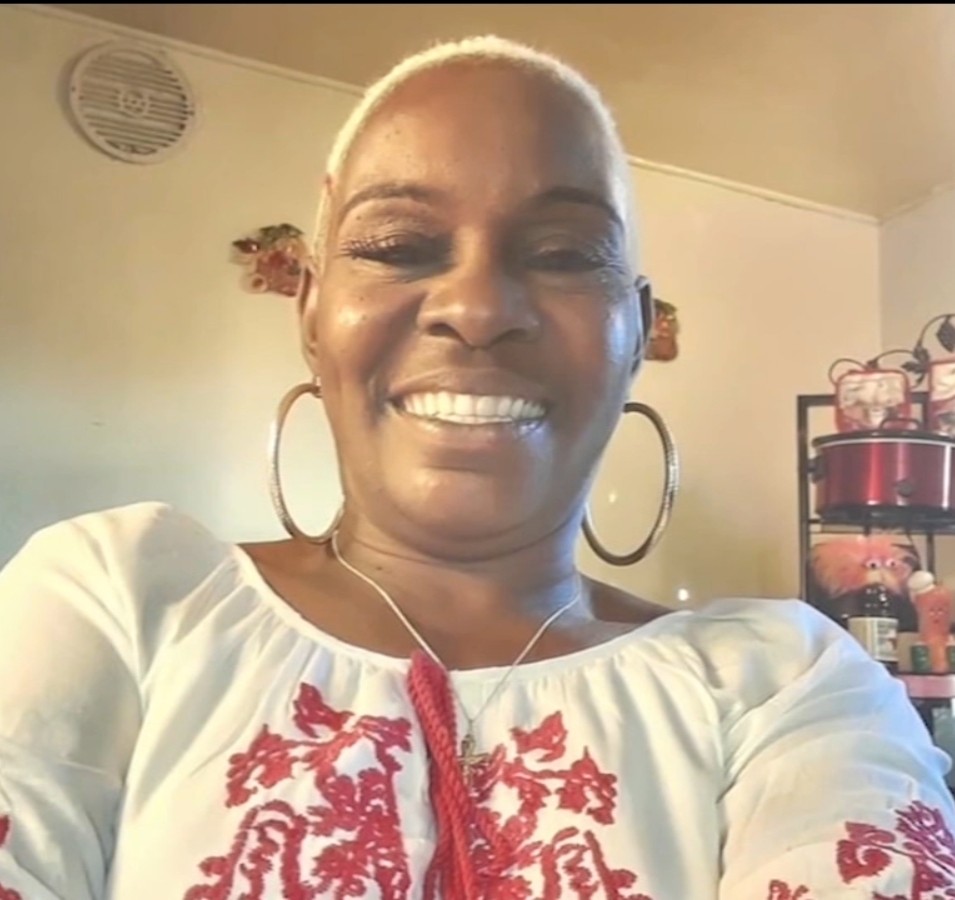
Less than a year later, on July 2, 2021, Collins killed again. Johnson, 53, was a mother of six and grandmother of eight who had been sober for eight years and was studying for her nursing license. Collins tied her hands and feet, gagged her, and covered her nose and mouth. She died of asphyxia. Her daughters and a close friend found her wrapped in a blanket in her South Los Angeles apartment. Collins stole her cellphone, jewelry, and Lexus, then pawned two of her necklaces and sold the car for drugs within hours of killing her.
The case almost did not carry the weight it should have. Under then-District Attorney George Gascón, the office's policy was to avoid filing special-circumstance allegations, the charge that makes a life-without-parole sentence possible, even against a defendant with a prior murder conviction. An internal committee reversed that call in June 2022, calling it a rare deviation warranted by the facts of the case. Gascón lost his re-election bid to Nathan Hochman, whose office secured a first-degree murder conviction with the special-circumstance allegation on Feb. 19, 2026. Judge Craig Veals sentenced Collins to life without parole on March 20, calling the killing inexplicable and telling him he would never be free again, as Johnson's family filled the courtroom. “Darryl Collins took three innocent lives,” said District Attorney Nathan Hochman, who added that the sentence guarantees Collins can never harm anyone else and that three grieving families might finally find some peace.
Cases like this one follow a familiar shape. A parole board decides that a man's past crimes no longer define him, and it lets him test that theory on the outside, at everyone else's expense. “Darryl Collins had already carjacked and shot one stranger, then walked into a diner eleven days later and shot a second in the face when he did not comply,” said Evan Doerr, Founder and Executive Director of the Preventable Crime Project. “A board of political appointees looked at that record and decided he had earned his freedom anyway. Six children lost their mother, and eight grandchildren lost their grandmother, because of what that board decided.” The commissioner who found Collins fit for release in 2020 is precisely the kind of official the Preventable Crime Project's Judicial Performance Database exists to hold to account.
That risk is not confined to Collins. California's Office of Administrative Law approved a new Board of Parole Hearings regulation on July 9 that lets inmates who have served at least 25 years, including those sentenced to life without parole, seek a recommendation for resentencing or clemency. The Board's own figures show 2,456 inmates become immediately eligible when the rule takes effect Oct. 1, a number projected to approach 4,000 within a decade, including people convicted of murdering police officers, children, and multiple victims. The Criminal Justice Legal Foundation sued in Sacramento County Superior Court on July 15, arguing the board lacks authority to rewrite sentencing laws through regulation and that the policy violates Marsy's Law, the victims' rights amendment California voters passed in 2008. Collins will not personally reach that threshold on his new sentence for another two decades, but CJLF President Anne Marie Schubert named him publicly as exactly the kind of case the policy was written to reach. The families of Derrick Reese and Thomas Weiss will now watch as the very same regulatory apparatus that freed him once tries to give him another chance at freedom.
The Preventable Crime Project is a nonprofit research organization tracking criminal justice policy and outcomes because everyone deserves to live on safe streets. Check out more stories at preventablecrime.org/news/stories. Learn more at preventablecrime.org/about.
Contact Us: press@preventablecrime.org
More stories
A man with a stabbing conviction and six parole violations was on probation, not in prison, when he allegedly moved through Oakland's Fruitvale neighborhood for half an hour, killing one man and stabbing four others.

Calese Crowder, the repeat offender dubbed the “Butt Sniffer,” has been accused of the same act at five different Southern California stores in five years; the state's cumulative answer has been 264 days in county jail.

A Contra Costa County judge released Marcos Iriarte-Valdez on his own recognizance one day before he allegedly stabbed 68-year-old Todd Stewart to death outside his Martinez home.