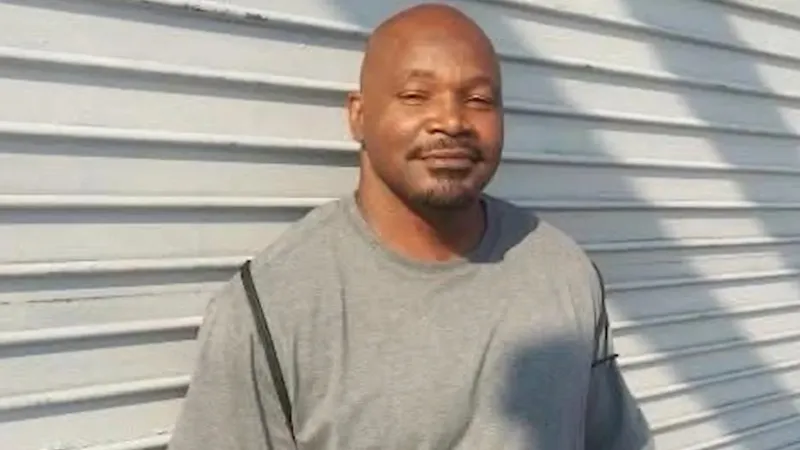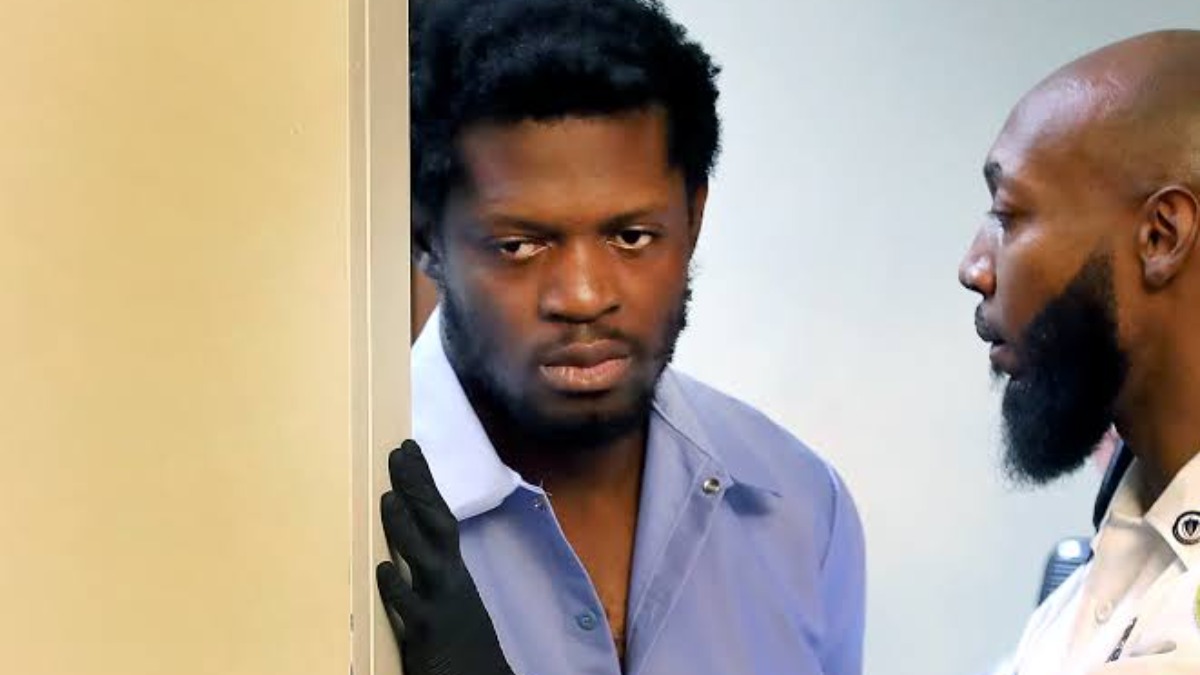
BOSTON, Mass., July 22, 2026. Sixteen days after a federal magistrate released Ashlie Jeremie on an unsecured $2,500 bond over prosecutors' objection, Jonathan Sanon lay dead on the sidewalk outside the Boylston Street T stop, killed by the man that magistrate had just set free. Jeremie, 27, had been arrested in May after security screening at the Tip O'Neill Federal Building turned up a loaded semi-automatic pistol in his backpack. He was released from federal custody on July 6. Had the magistrate granted the detention prosecutors requested, Jeremie would have still been in custody on the morning of July 22, when he allegedly killed Sanon and attacked a college student blocks away.
According to court records, Jeremie tried to carry the loaded pistol, a Jimenez Arms .380 with one round chambered, past security at the O'Neill Building on May 18. He told investigators he had found the backpack near a Boylston Street sporting goods store about a week earlier and did not know a gun was inside. Federal prosecutors moved for continued detention. The magistrate released him instead, with conditions that included psychiatric treatment through a Bedford outpatient program, mandatory medication compliance, and a nightly check-in for a shelter bed at Pine Street Inn. Jeremie had no address of his own. Boston Police would later list him as being of Bedford, an address that in fact belongs to a commercial mental-health treatment center where, its own spokesman confirmed, no one lives.
The gun case was not an isolated failure. Court records show Jeremie had faced prosecution since at least 2018 for domestic violence, trespassing, and attacks on two teenagers, in cases out of Waltham, Somerville, and Boston. In January 2025, he allegedly assaulted two brothers at the Copley Place mall, punching one in the face and biting the other on the shoulder. He was arrested two months later after the same boys spotted him near Copley Square. Prosecutors dropped the charges that March. Those cases were chances to intervene before Jeremie escalated to homicide. None of them did.
The final warning signs came within hours of the killing. The night before, Jeremie visited a bar near Boylston and Tremont streets, where the owner, Brett Walshaw, said he was screaming in customers' faces. Walshaw called police and shared surveillance photos of him. Officers told Jeremie to move along and left him on the street. Shortly before 4 a.m. on July 22, police were called to Tufts Medical Center to remove Jeremie after he refused to leave and followed staff members through the building. He was released a second time. A little over an hour later, police say, he beat Sanon to death.
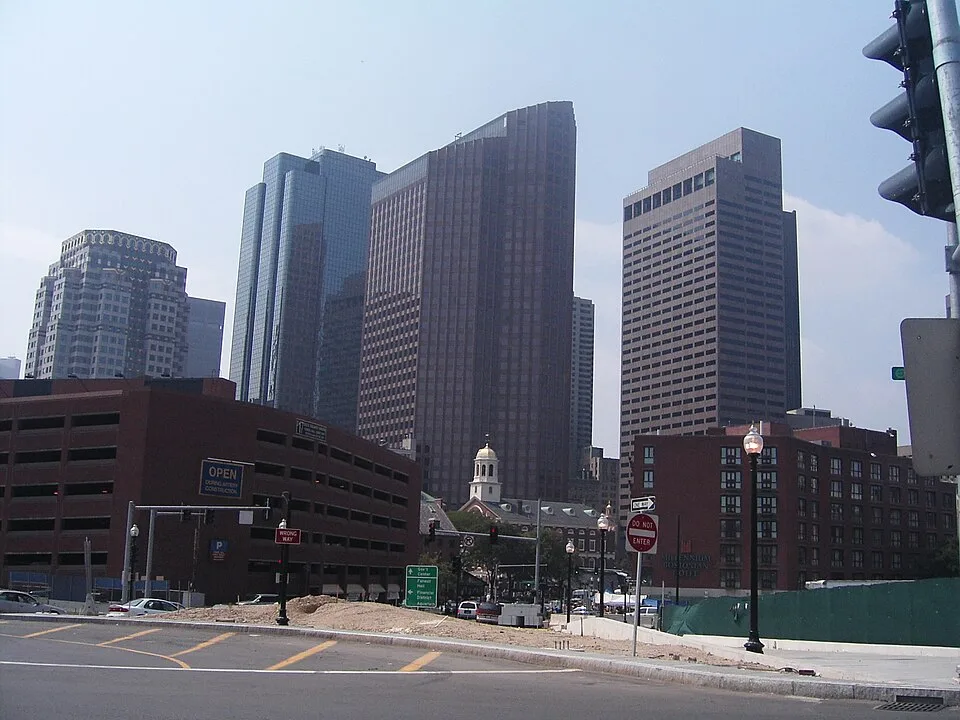
Officers responding to a 5:18 a.m. radio call found Sanon suffering severe trauma at the intersection of Boylston and Tremont streets, steps from the Green Line stop. He was pronounced dead at Tufts Medical Center and was later identified as a 35-year-old Norwood man. Surveillance footage reportedly showed a man matching Jeremie's description beating him before fleeing the scene. At 9:46 a.m., police say Jeremie approached a 21-year-old Boston University student from behind near the Chinatown gate on Beach Street and struck him in the back of the head with a steel jackhammer bit, knocking him to the ground. Officers arrested Jeremie nearby minutes later, still in the clothing captured on the earlier surveillance video, and charged him with murder, assault and battery with a dangerous weapon, and larceny under $1,200. He has pleaded not guilty and was ordered held without bail pending a competency evaluation at Bridgewater State Hospital.
Jeremie's case traces how a documented, escalating threat moved through the courts for months without triggering an intervention that could have stopped it. Federal prosecutors asked that he be detained and were overruled. Local prosecutors had chances to hold him accountable for a documented pattern of violence and let them pass. Boston Police encountered him twice in the twelve hours before the killing and sent him back onto the street both times. Jonathan Sanon paid for those decisions with his life. “A magistrate cannot claim ignorance of the danger a loaded gun and a documented history of violence represent,” said Evan Doerr, Founder and Executive Director of the Preventable Crime Project. “The court’s obligation runs first to the public it is sworn to protect, and in this case, that obligation was set aside. Jonathan Sanon’s family, and every family in Boston, is owed a full accounting of how a man the government itself sought to detain was instead released to kill.”
The Preventable Crime Project is a nonprofit research organization tracking criminal justice policy and outcomes because everyone deserves to live on safe streets. Check out more stories at preventablecrime.org/news/stories. Learn more at preventablecrime.org/about.
Contact Us: press@preventablecrime.org
More stories
Shaquan Seth, arrested nearly 150 times, walked free without bail twice in ten weeks before a Queens judge finally set bail after his third arrest.
Nayshawn Wilkinson, 19, was released on $5,000 bail by Brooklyn Judge Janice Robinson despite an attempted murder charge, then shot another man at the West Indian Day Parade five weeks later. He is one of thirteen recent defendants the judge has released on no bail or reduced bail.
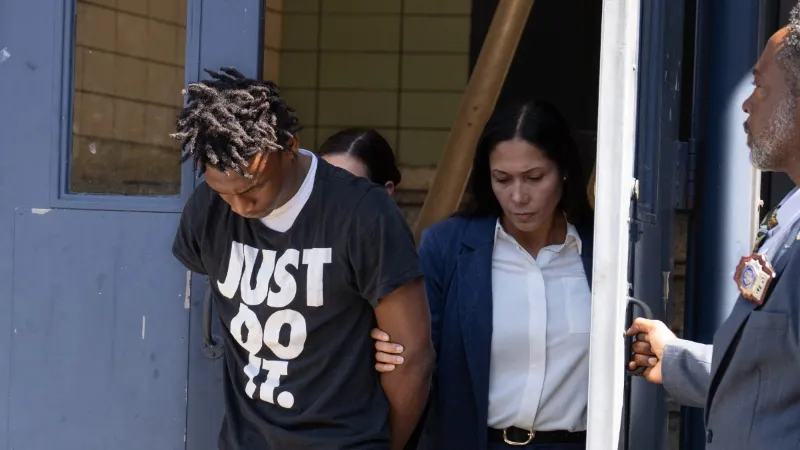
A California parole board overruled prosecutors' objections and freed Darryl Collins, a two-time murderer, in 2020. Fatima Johnson paid for that decision with her life 364 days later.